
 English
An introduction to the UPVC profile manufacturing process
The word profile is one of the most used words in various industries. Profile means a fixed section with a long length, and different parts that are produced in this way are called profiles. Among the most famous profiles, we can mention aluminum profile, beam and corner. But what is UPVC profile and how is UPVC profile produced?
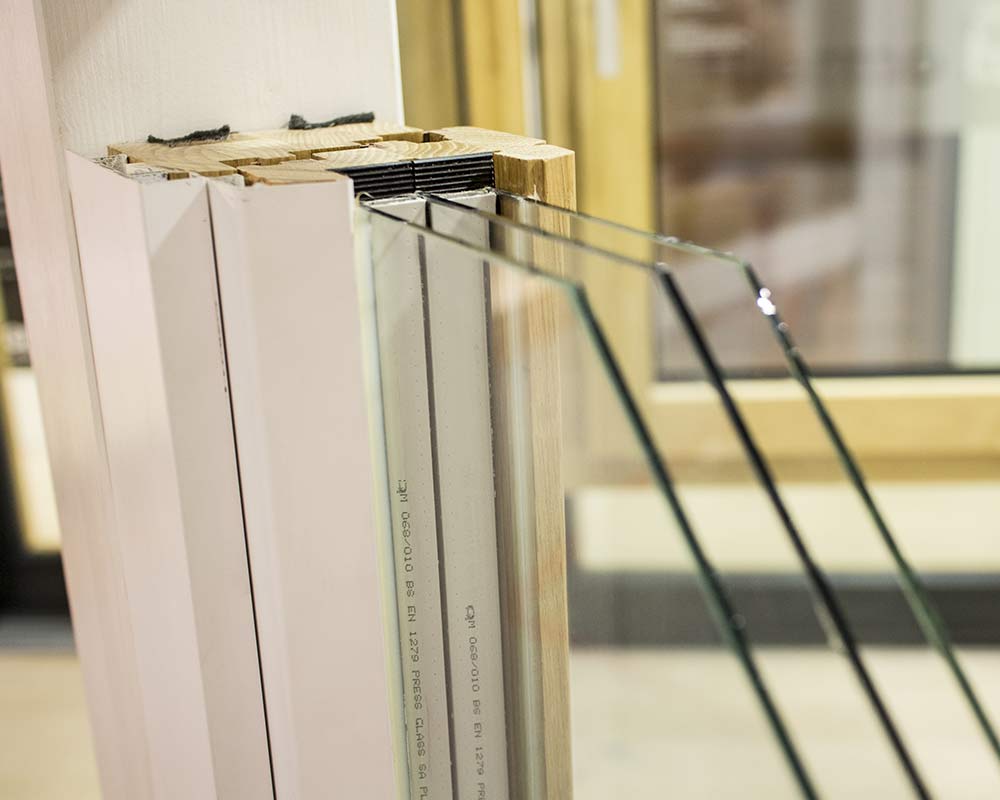
The word profile is one of the most used words in various industries. Profile means a fixed section with a long length, and different parts that are produced in this way are called profiles. Among the most famous profiles, we can mention aluminum profile, beam and corner. But what is UPVC profile and how is UPVC profile produced?
Profile manufacturing process
The UPVC profile production process is very complicated and precise because it is completely industrial and mechanized. Profiles are generally produced in two types of direct and indirect production methods. In the direct method, the desired material is passed through rollers and shaped under special conditions, and then its components are welded together. But in the indirect method, the components are first welded and then formed by rolling. But since the raw materials of UPVC are different from steel and aluminum, the way and process of UPVC profile production is also different from them. Now the question is the best and most popular production method the window What is UPVC?؟
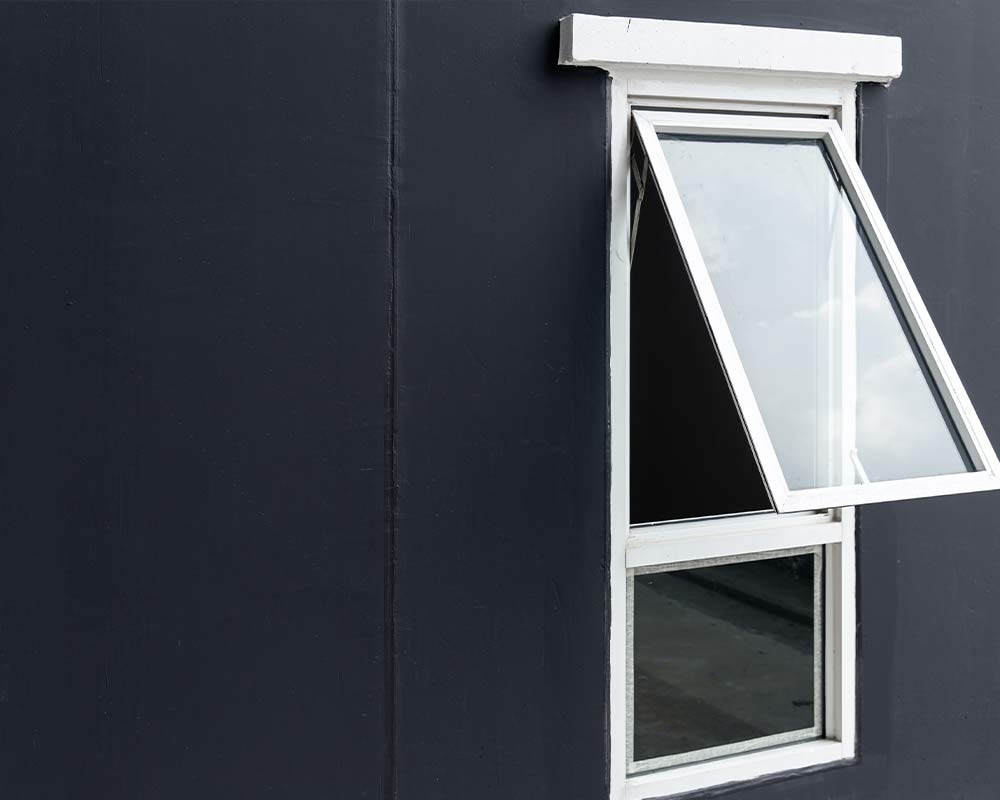
How UPVC profiles are manufactured
The first step is to prepare raw materials and the main composition of the UPVC profile. It is the main ingredient of a chemical polymer that is produced in factories. After preparing the raw materials, it is time to mix them. This work is done by a special mixer that mixes the materials with special planning. The temperature of the mixer is very important and must be set to the desired number. After mixing, the mixed material is transferred to the holding tank through pipes, and because this material may have become static during mixing, it must remain in the tank for several hours. Of course, this helps to bring the substance to the same temperature as the environment.
Then the mixed materials are transferred into a tube that has a worm gear and move forward by the gear. This is done so that the raw materials are completely homogeneous. Also, at the end of this pipe, there are special molds for UPVC profiles - which are called extruders - and the spiral gear drives the raw material towards it with pressure. This process is performed at a temperature of about 200 degrees Celsius and is called extrusion.
Now the next step begins. When the UPVC profile comes out of the mold, it is very hot and it is possible to change its state, so it must enter the calibration stage. Therefore, it is quickly dried by a cooling device to restore its original strength. Then the profile enters the cooled water bath, which is called the calibrator. At the end of this stage of the UPVC profile production process, the profiles take their final shape and are fixed.
After this, the profiles are dried with special blowers, and at the end, the brand name of the UPVC profile manufacturer is engraved on it, and they are cut into the desired dimensions and sent to another part of the factory for packaging.
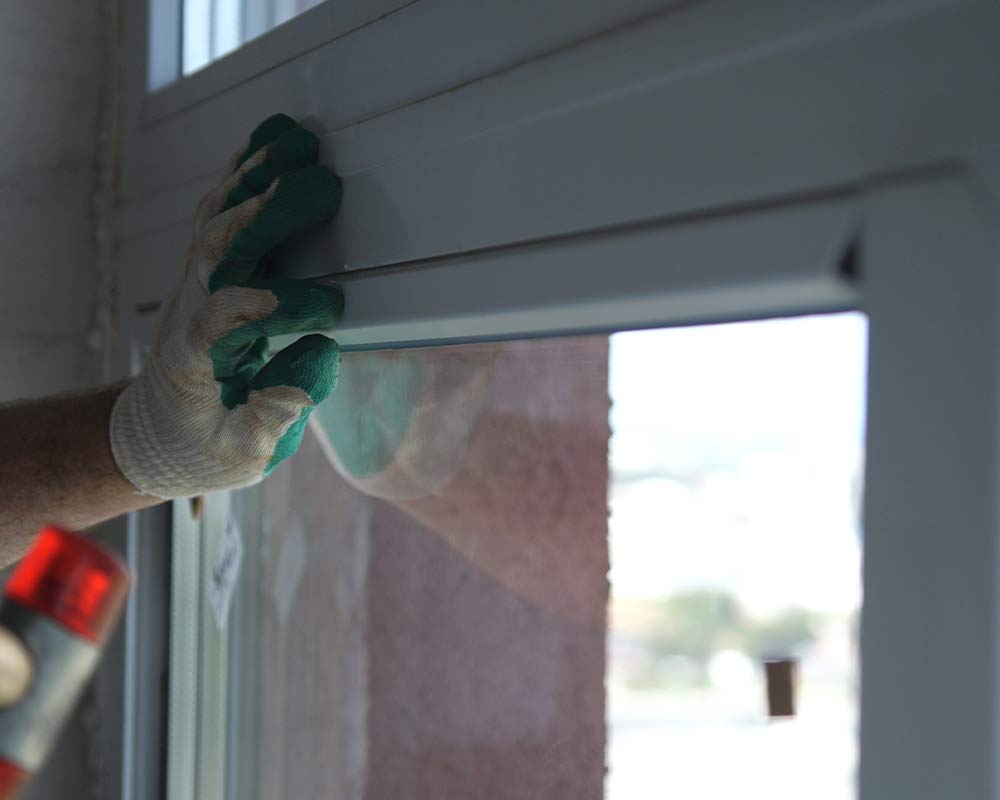
UPVC profile standards
UPVC profile, like all different industrial products, follows specific standards. Especially in the production process of UPVC profile, these standards must be observed because not observing them is equal to the lack of quality of the produced material. We have two types of general standards in the field of profile production, one English standard with the abbreviation BS EN 12608 and the other German standard with the abbreviation RAL GZ 716-1. In general, the RAL standard is stricter than the BS standard. The BS standard is used in Iran's national standard. If you look carefully, when Buy door and window profiles, you can see the standard type engraved on it.
These two standards examine profiles and UPVC profile production process from different aspects. One of the main things to be investigated is the thickness of the main body of the profile and the thickness of the interface walls between the two main walls. Both of these standards recognize the main wall thickness above 2.8 mm. For example, for Door sash profile The numbers of these standards are different from each other. Also, based on these standards, different profiles are classified as type A and its lower types. Except for the dimensions and size of the profile; The weight of the profile, its appearance and color, shipping conditions, special tests for different weather conditions, quality of raw materials, thermal tests of the profile and resistance of the profile against impact are measured and finally the profiles are classified into three classes one, two and three by the national standard of Iran.
Your comment
Share your experience or question. Comments are published after approval.