
 English
Argon gas in double glazing and how to identify it
As cities become crowded and the population increases, noise pollution has also increased. Likewise, due to the importance of saving energy resources, the use of double-glazed windows is very popular and used in buildings. The double-glazed window is made of two or more double-glazed glasses and the space between the glasses is filled with argon gas. In fact, arg gas...
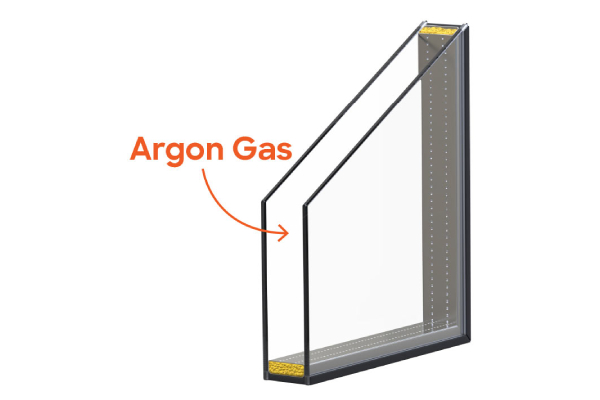
As the cities become crowded and the population increases, the noise pollution has also increased. Likewise, due to the importance of saving energy resources, the use of double-glazed windows is very popular and used in buildings. The double-glazed window is made of two or more double-glazed glasses and the space between the glasses is filled with argon gas. In fact, argon gas in double-glazed windows makes them different from ordinary windows and problems such as; Eliminates noise, energy loss, etc. Stay with us to check argon gas and ways to detect it in double-glazed windows.
What is argon gas?
Argon gas is one of the main components for making UPVC double-glazed windows. Argon is a neutral, harmless, colorless and noble gas and does not combine chemically with any substance. This gas is placed between the double-glazed windows and minimizes the passage of energy and sound and prevents energy loss.
The role of argon gas in double-glazed windows
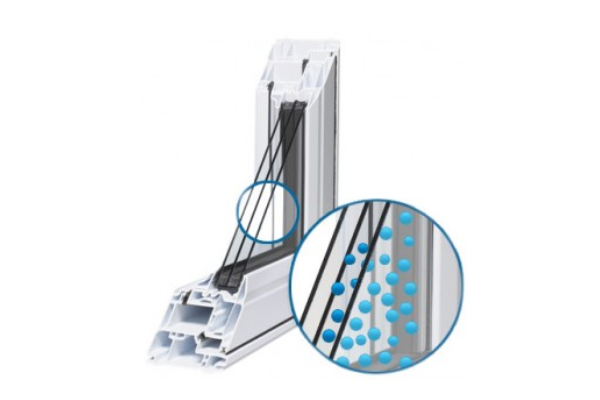
This inert gas is more dense than air and causes the temperature of the glass to approach room temperature. In order to increase the energy efficiency and overall performance of the window, argon gas is used in its construction.
Argon gas in the window causes:
- Reducing the speed of sound and sound
- Proper insulation of windows
- Reduced heat exchange
- Not polluting the environment
- Reducing the possibility of windows freezing
- Increasing window efficiency
- Reduce energy loss
- Lower costs
- Increased safety
And... it will be.
Ways to detect the presence of argon gas in double-glazed windows
As mentioned, argon is an inert and colorless gas, which is why it is difficult to detect. But the detection of argon gas makes you check the quality of the glass you want.
The important point for detecting argon gas is that UPVC double-glazed windows that contain argon, unlike those that take all the air inside the glass instead of gas, are highly insulated against heat and sound and are resistant and do not suffer from disturbances. In the following, other items will be mentioned for the presence of argon gas in double-glazed windows.
- The temperature difference between the inner and outer walls of the glass
In glasses filled with argon gas, there is a temperature difference between their inner and outer walls. The inner wall of the glass is hot because it is at the same temperature as the interior of the building, and the outer wall of the glass must be cold because it is exposed to the open air. You will easily notice this temperature difference by touching the glass.
- Putting glass in water
Another way to detect argon gas is to immerse the glass in water and after some time put it in the sun. If steam forms inside the glass, it means that there is no argon in the glass.
- Integrated spacer between two glasses
Some manufacturers use spacers to prevent argon gas from escaping from the glass. By doing this, the argon gas does not escape from the glass at all.
- Gas injection valves in spacers
On some of the aluminum spacers of the double-glazed windows, there are valves for the entry and exit of argon gas. Today, these aluminum spacers and valves used for gas injection are used for UPVC windows, despite their higher price than argon gas.
In the end
When argon gas is placed in glasses, it does not undergo any chemical exchange with the environment. Sound and temperature reach argon with less intensity and speed and its intensity is reduced. Also, glasses that contain argon do not sweat or condense. According to the mentioned points, when Buying doors and windows Double-walled, you can be sure of the presence of argon in them.



Your comment
Share your experience or question. Comments are published after approval.